Database Outline --
A collection of information organized in such a way that a computer program can quickly select desired pieces of data. To access information from a database, you need a database management system (DBMS). This is a collection of programs that enables you to enter, organize, and select data in a database.
Object-Oriented Database Outline --
An object-oriented database system is a system offering DBMS facilities in an object-oriented programming environment. Data is stored as objects and can be interpreted only using the methods specified by its class. The relationship between similar objects is preserved (inheritance) as are references between objects. Queries can be faster because joins are often not needed (as in a relational database). This is because an object can be retrieved directly without a search, by following its object id. The same programming language can be used for both data definition and data manipulation. The full power of the database programming language's type system can be used to model data structures and the relationship between the different data items.
| Week | Class | Topic | Reading | Where | ||
|---|---|---|---|---|---|---|
| 01/09 01/11 |
1. Foundation I (slides) | 2 (Ch. 1) | ||||
| 1.1 Introduction | ||||||
| 1.2 Current status of OODBMS | a paper | |||||
| 01/14 01/16 01/18 |
2. Foundation II (slides) | 2 (Ch. 1) & 4 (Ch. 1) | ||||
| 2.1 OODBMS definition | ||||||
| 2.2 OODBMS properties | ||||||
| 2.3 A DBMS classification matrix | ||||||
| 01/23 01/25 |
3. Foundation III (slides) | 4 (Ch. 1) | ||||
| 3.1 Quadrants 1-2 | ||||||
| 3.2 Quadrants 3-4 | ||||||
| 01/21 | ||||||
| 01/28 01/30 02/01 |
4. Project I: Web Usage Data Gathering (slides) (project 1) | a paper | ||||
| 4.1 WebQuilt | ||||||
| 4.2 Usage data gathering | ||||||
| 4.3 Usage data preparation | ||||||
| 02/04 02/06 02/08 |
5. Oracle8: Object-Relational SQL I (slides) | 3 (Ch. 4), 1, & 5 | ||||
| 5.1 Objects & tables | ||||||
| 5.2 Nested tables | ||||||
| 5.3 Varying arrays | ||||||
| 02/11 02/13 02/15 |
6. Oracle8: Object-Relational SQL II (slides) | 3 (Ch. 4), 1, & 5 | ||||
| 6.1 PL/SQL I | ||||||
| 6.2 PL/SQL II | ||||||
| 6.3 Methods | ||||||
| 02/18 02/20 |
7. Oracle8: Object-Relational SQL III (slides) | 3 (Ch. 4), 1, & 5 | ||||
| 7.1 Object Comparison | ||||||
| 7.2 LOB | ||||||
| 02/22 | ||||||
| 02/25 02/27 03/01 |
8. JDBC (slides) | |||||
| 8.1 Overview | ||||||
| 8.2 Basic database access | ||||||
| 8.3 JDBC support classes | ||||||
| 02/28 | ||||||
| 03/04 03/06 03/08 |
9. Project II: Web Usage Mining (slides) | |||||
| 9.1 Navigation pattern discovery | ||||||
| 9.2 Visualization | ||||||
| 9.3 Applications | ||||||
| 03/13 03/15 |
10. SQLJ & Pro*C/C++ (slides) | |||||
| 10.1 SQLJ | ||||||
| 10.2 Pro*C++ | ||||||
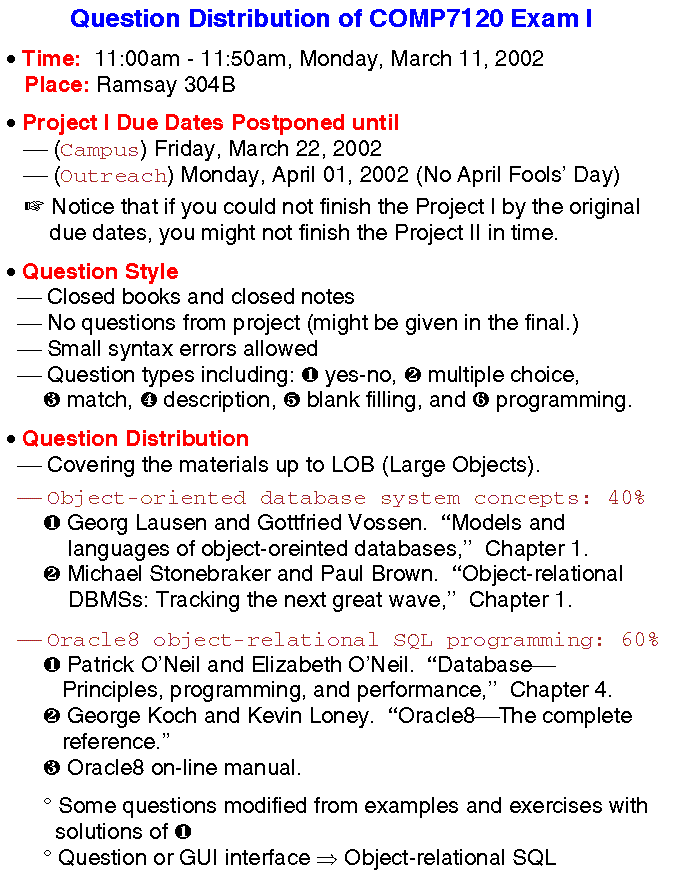
| 03/11 | ||||||
| 03/18 03/20 03/22 |
11. OODB Languages I (project 2) | 2 (Ch. 2) & 4 | ||||
| 11.1 General requirements | ||||||
| 11.2 Desirable properties | ||||||
| 11.3 Path expressions | ||||||
| 03/25 03/27 03/29 |
|
|||||
| 04/01 04/03 04/05 |
13. OODB Languages II & Standardization I | 2 (Ch. 2 & 5) & 4 | ||||
| 13.1 Inheritance | ||||||
| 13.2 SQL3 | ||||||
| 13.3 OMG standards | ||||||
| 04/08 04/10 04/12 |
14. Standardization II (slides) | 2 (Ch. 2 & 5) & 4 | ||||
| 14.1 DOMS |  |
|||||
| 14.2 CORBA | ||||||
| 14.3 ODMG proposals | ||||||
| 04/15 04/17 04/19 |
15. Indexing (slides) | 3 (Ch. 8) | ||||
| 15.1 Concepts | ||||||
| 15.2 Disk storage | ||||||
| 15.3 Clustered and non-clustered indexes | ||||||
| 04/23 04/25 04/27 |
16. Query Processing (slides) | 3 (Ch. 9) | ||||
| 16.1 Concepts | ||||||
| 16.2 Indexed access | ||||||
| 16.3 Query performance measurements | ||||||
| 04/29 | 17. Special topics | |||||
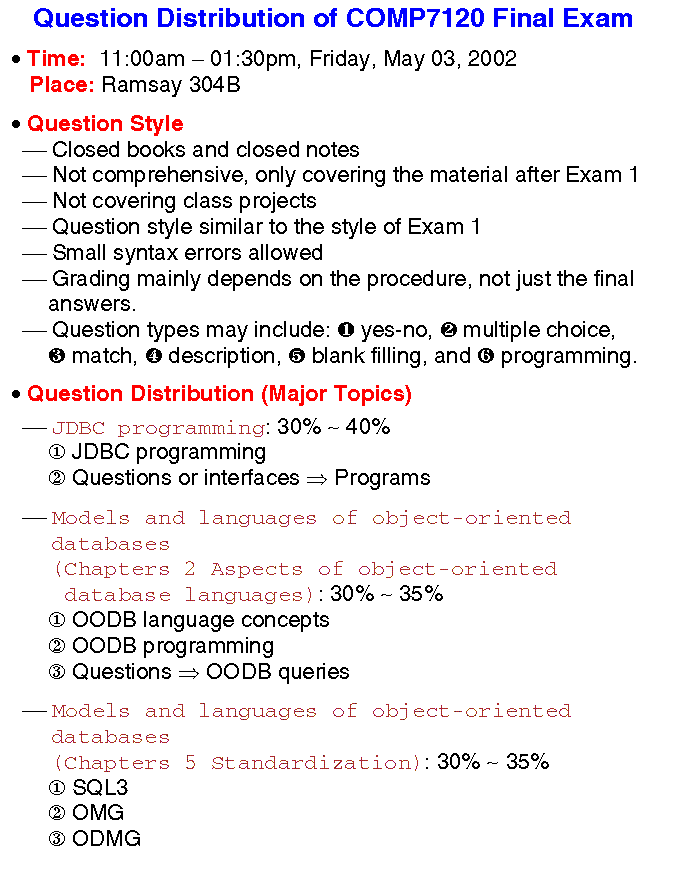
| 05/03 | ||||||